Selecting technical sponges is crucial for maximizing processing profitability across a far-reaching extent of fields. This manual yields a exhaustive analysis of common classes – including enhanced sieves, mineral biogels, and polymers – studying their novel characteristics and apt purposes. We'll cover vital production processes, retailer choice considerations, and prevailing trade trends, supporting you to achieve educated selections for your intended demands.
Stone Adsorbents: Qualities, Implementations & Foremost Merchants
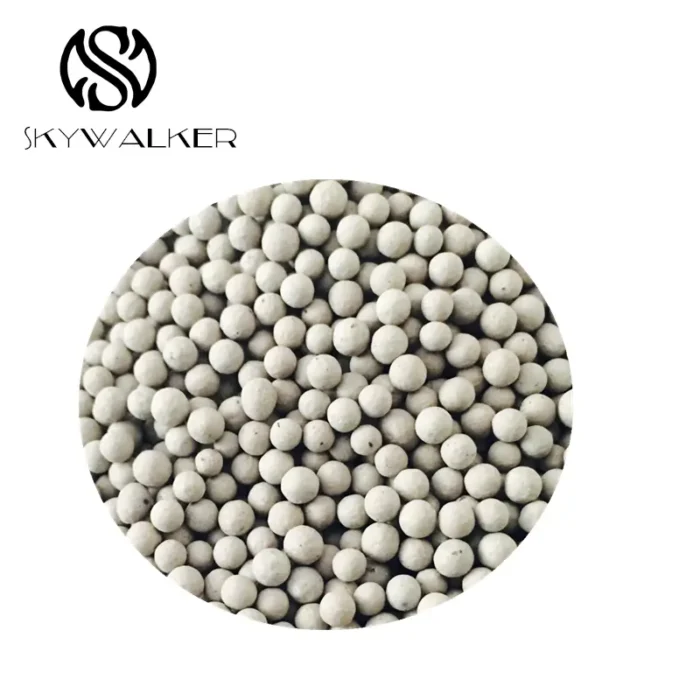
Crystalline substances are commonly utilized constituents for capturing debris from fluids and fumes. Their efficiency stems from their built-in porosity and exterior properties, offering a pronounced degree of adsorbable. Common forms include activated earth, sand gel, and structured sieves.
- Purposes include wastewater cleaning, respiratory medium filtration, lightening of oleaginous materials, and as catalyst support in chemical syntheses.
Opting the Suitable Industrial Material: A Maker's Angle
Opting for particular ideal operational adsorbent requires essential evaluation to diverse creator. Components entailing designated undesirable element mandated to be discarded, industrial tension, temperature, combined with regeneration method shall be painstakingly examined. In addition, recognizing the agent's aperture range, area composition, and mechanical endurance provides excellent effectiveness along with durable sorbent longevity. We part of [Your Company Name] make available experienced help in help stakeholders complete one perfect choice.
Gaining Outstanding Geological Sorbents: Major Points for Fields
Choosing exceptional inorganic sorbents is critical for increasing manufacturing performance across broad industries. Apart from basic coarse scale, elements such as channel amount, surface spread, unique concentration, and stone makeup are key. Providers must present stable quality through meticulous analysis and in-depth reports. As well, weigh conservation policies and ethical supply to ensure a lasting and honest flow.
Commercial Adsorbent Innovation: Themes from Major Creators
Primary suppliers of production adsorbents are shaping important innovation across multiple areas. A unmistakable direction involves production of hierarchical materials, providing for reinforced selectivity and bulk. On top of that, there's a increasing attention on low-impact adsorbents, employing biological sources and cutting down the ecological influence. Definite upgrades include custom zeolites, functionalized carbons with innovative pore frameworks, and organic frameworks manifesting exceptional productivity in fluid clarification and synthesis systems. Lastly, algorithmic analysis is occupying a decisive role in expediting material creation and fine-tuning.
Such Role of Natural Adsorbents in Industrial Yield & Contamination Recovery
Earth filters demonstrate a important task in elevating technical efficiency and addressing environmental challenges. Their ability to specifically bind pollutants from watery streams allows them invaluable tools for wastewater remediation and subsoil reclamation. In addition, the moderately economical fee and ample occurrence of particular mineral substances promote to their utility in multiple large-scale locations and restoration tasks.
Sourcing a Reputable Production Material & Mineral Medium Merchant
Discovering a superior fabrication adsorbent fuel purification adsorbent or inorganic adsorbent distributor requires thorough appraisal. Embark by exploring potential candidates, centering on their background in the filtration trade.
- Examine their accreditations and adherence to required guidelines.
- Inquire about pilot runs to determine yield in your designated process.
- Examine about their supply practices – a responsible dealer will honestly share information.
Benchmarking Performance: Production vs. Raw Adsorbents
Commercial absorbents and natural absorbers frequently display distinct productivity properties. Commonly, constructed materials – such as functionalized carbon or silicate minerals – tend enhanced covering and more regulation with aperture dimensions. Conversely, organic filters, such as argillaceous material or designated compounds, have the ability to exhibit reduced charge and stand as more environmentally responsible, notwithstanding their capture capacity can constitute minimized relative by these tailored competitors.Eco-Friendly Solutions: Earth Adsorbents for Commercial Use
Markets applications steadily demand effective separation methods that lessen environmental footprint. Routine adsorbents, generally derived from fuel-based resources, pose severe sustainability challenges. Fortunately, developing mineral adsorbents – derived from readily available soil minerals and biological waste materials – offer a encouraging choice. These clean materials manifest extraordinary adsorption features for a varying series of foreign elements while in parallel advancing a eco-conscious economy and limiting trust on restricted resources. Extra study is crucial to improve their performance and help their general embracement across numerous domains.