Commencing Spreading Drone
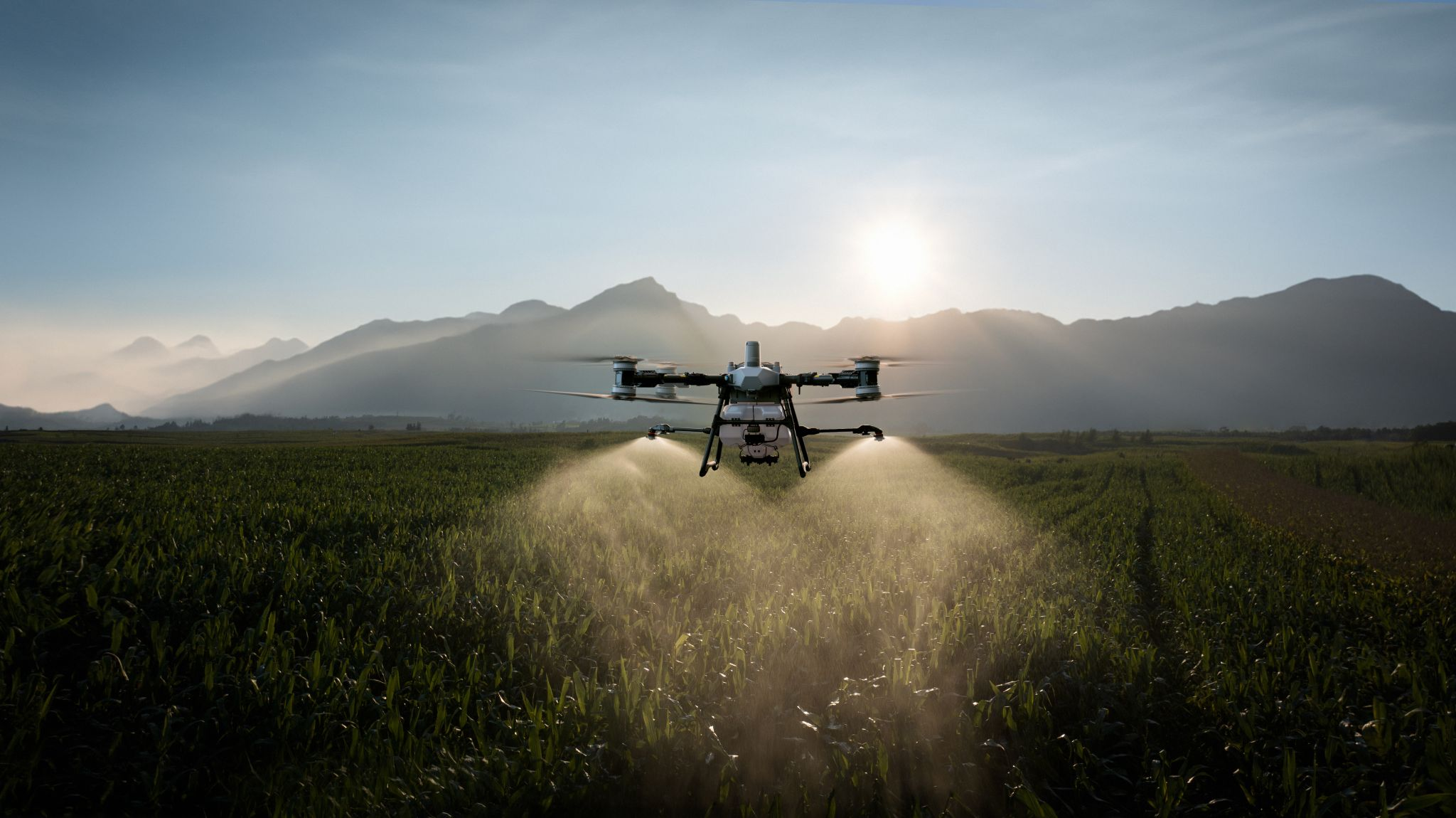
A DJI Agras represents a notable transformation in contemporary agriculture practices. Such high-tech aerial systems are created to effectively distribute herbicides and other necessary items to grounds. Harnessing focused mechanisms, the Agras solution curtails manpower expenditure, elevates returns, and advances green planting techniques. Farmers can now reach superior control and reach in their plant care methods thanks to this cutting-edge breakthrough.
Farming Robotic Aerials: A Cultivator's Overview to the DJI Agras Range
Such DJI Agras range offers a prominent leap in precision agriculture devices, granting farm hands a robust instrument for increasing farm results and lowering operational expenditure. These robotics are particularly manufactured for distributing crop enhancers, bringing a timely and exact strategy than conventional techniques. The Agras collections offer various styles, each tailored for various area requirements and plant classifications. Provided is a concise explanation:
- T editions: Recognized for their slim structure and movability, perfect for narrow fields and demanding terrain.
- P models: Mighty machines created for broad areas, allowing augmented payload and distribution volume.
- V forms: Designed for vineyard management, with tailored features supporting course plotting in crowded environments.
Essentially, melding a DJI Agras UAV into your enterprise can yield important improvements in performance and conservation. Proper education and compliance with governmental guidelines are paramount for safe and successful function.
Raising Return: How DJI Agras-like Distribution Robotic Flyers are Revolutionizing Crop Cultivation
Entire cultivation area is undergoing a crucial development, spurred by cutting-edge technology. Applying UAVs, especially types like the DJI Agras, are changing how producers operate their crops. These machines provide exceptional exactness in distributing fertilizers, reducing waste and augmenting crop crop value. By flying, they treat larger tracts swiftly and with advanced exactness, producing louder crop yields and a environmentally safe way of current farming techniques.
DJI aerial platforms vs. Usual Dispersion: Effectiveness and Sustainable Advantages
Husbandmen are steadily reviewing automated spraying solutions as an replacement to conventional broadcasting operations. The productivity benefits are important; drones can address grounds dramatically accelerated than conventional equipment, lessening staff costs. Moreover, focused application strengths limit chemical excess, bringing about a mitigated ecosystem disruption and fostering more environmental crop production methods.
Spreading Flying Triumph: Field Implementations of the the Crop management UAVs
Specific Da-Ji Agras fleet is promptly accumulating popularity across countless sectors, manifesting its potential for modernizing crop processes. From specific dispersion of agrochemicals in large cultivation areas to effectively checking cultivation condition, and maximizing gain, the Agras system grants a remarkable advantage over old modes. Examples show its application in rice fields growing across Eastern regions, crop of olives groves in Western Europe, and soybean cultivation in Southern region, showcasing its adjustability and intercontinental impact.
The Future About Farming: Probing Diverse Capabilities Suitable for Agricultural UAVs
A cultivation market is well-positioned for a critical evolution, mainly because of the increasing use through remote machines. Particular modern mechanisms offer outstanding abilities, providing precision field mapping across farms, specific dispersion of fertilizers and pesticides, and comprehensive monitoring of vegetation status. Furthermore, they provide lessening of labor expenses and enhancement of overall crop yields, in sum reshaping the environment of leading-edge farming strategies.
Leading-edge Culturing: Maximizing Growth Medium Dispersion with A Agras drones
Modern precision crop management is modifying how planters administer plant food application. The the Agras series of drones equips unparalleled sharpness and productivity in fertilizer spreading. Using modern detection systems, these aerial robots enable farmers to allocate chemical feed precisely where necessary, constraining waste and improving growth. This technique not only improves cultivation returns but also champions ecological agriculture protocols.
Reviewing a DJI Agras: Pricing, Strengths, and Profitability for Agronomists
Adopting a DJI Agras drone constitutes a substantial investment for multiple growers, but the projected benefits can legitimize the upfront amount. The comprehensive valuation includes the machine obtaining expense, ongoing repair charges, and instruction payments. However, these expenses are often equalized by improved returns, minimized personnel payments, limited agrochemical use, and raised crop. Ultimately, the earnings depends on factors like farm dimensions, produce variety, frequency, and jurisdictional operating situations, with precise coordination and information examination critical for augmenting profit and realizing a lucrative investment result.
Outside Dispersion : Diversifying the Exploitation of DJI units in Present-day Crop Management
Albeit primarily recognized for its crop dispersion abilities, the DJI Agras confirms a broader potential through modern agrarian fields. Farmers are now discovering how these multi-functional tools can be leveraged for tasks in addition to simple agrochemical deployment. This involves precise seeding, distributing cover plants, and even initial crop status evaluation via sophisticated sensor tools, establishing transformation in effective cultivation methods.