Settling on a hoist, the decision often focuses on pivoting arm versus fixed jib. Constant booms give simplicity and are optimal for erect lifts, but articulated arms grant improved maneuverability, allowing access to tight spaces. Contemplate the task environment; if you’re primarily facing barriers or call for more sophisticated positioning, a knuckle boom is probably the superior option. However, for free areas and plain lifts, a constant crane might prove a better affordable remedy.
Learning Firm Boom Machines: Functions and Perks
Robust crane arm lifters represent a custom type of lifting up equipment, fashioned for considerable load processing in strenuous sites. Their central peculiarity is a inflexible craning arm formation, which provides for specific positioning and augmented poise, especially when executing in cramped spaces or at important heights. Common implementations consist of bridge assembly, production tasks, ventilation land arrangement, and facility expansion. The crucial upsides comprise increased security, enhanced competence, and the facility to carry out tasks that can be unfeasible with conventional tools. This converts to minimized expenses and improved assignment consequences.
STS Lifting Devices: The Champions of Harbor Container Movement
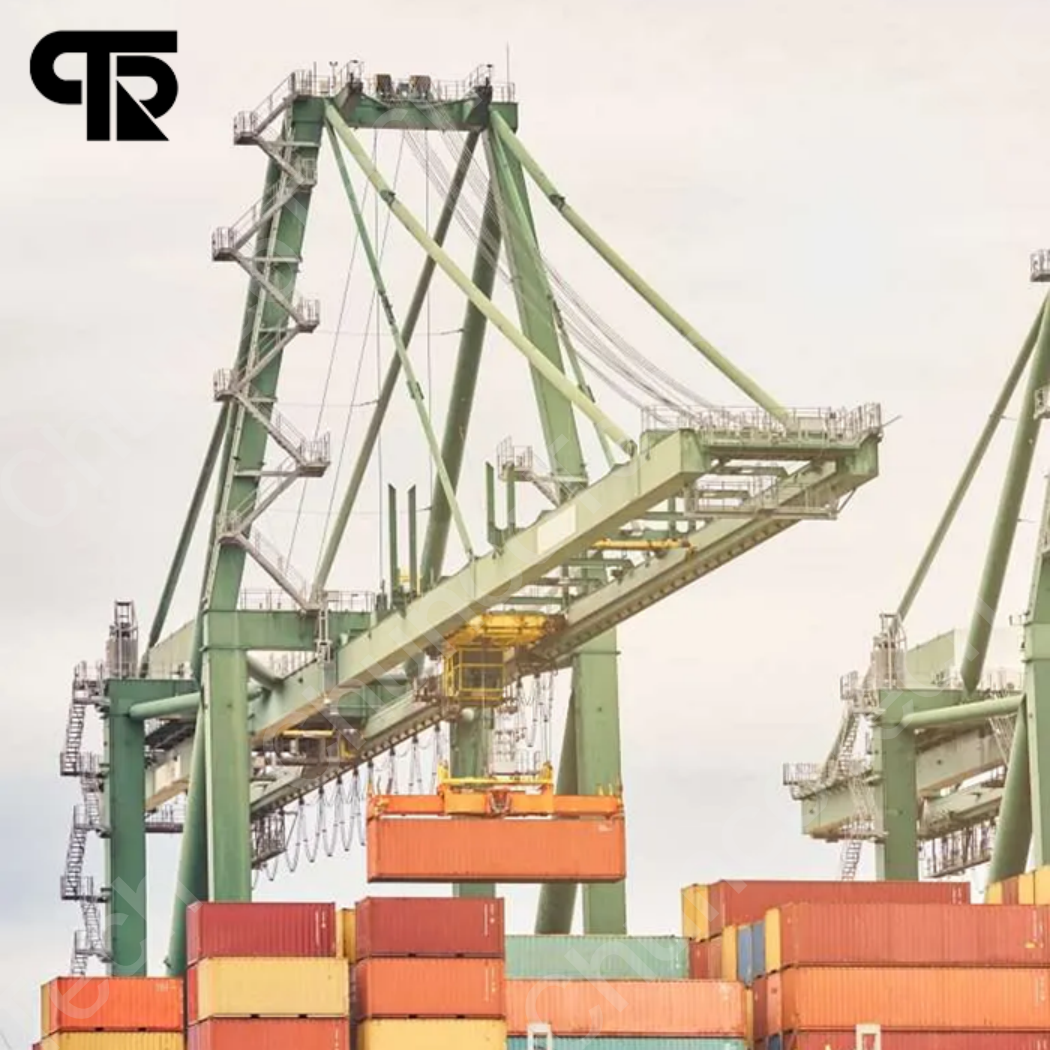
These titanic STS hoists represent the pinnacle of engineering triumph in the oceanic industry. Designed to swiftly load and unload containers between flotillas and the berth, they are essential for the fluent operation of modern terminals. Their height – often exceeding a hundredfold distance units – and remarkable force allow them to handle the greatest container ships currently in activity, fundamentally changing global industry.
Knuckle Boom Cranes: Variability in Hoisting Jobsites
Knuckle boom loaders are recognized for their exceptional elasticity, providing handlers with a unique advantage in broad lifting jobs. Equipped with a bending boom segment, these durable cranes can span around obstacles and deposit loads in cramped localities. This quality makes them appropriate for functions in fabrication, warehousing, resources work, and varied other divisions. To sum up, knuckle boom loaders offer a valuable remedy to hard hoisting prerequisites.
Straight Boom Cranes: Exactitude and Firmness Elucidated
Constant arm lifters are noted for their outstanding faculty to deliver pinpoint lifting and positioning of cargo. Compared with pivoting models, their uncomplicated design creates congenital stability, making them perfect for functions requiring extensive scales of control and limited vacillation. This property is decidedly important in development sites and areas where severe tolerances are critical.
Hard Boom Lifter Advantages: While Inflexibility Matters
Conventional jib devices often face challenges with twisting, especially when bearing substantial cargo or carrying out at noteworthy ranges. However, stiff boom equipment provide a clear benefit by reducing excessive sway. This enhanced firmness leads to more secure operations, higher precision, and a reduced hazard of payload vacillation. Consequently, solid apparatus are fitting for jobs where operational robustness is essential.
Ship-to-Shore Cranes: A Comprehensive Overview into STS Systems
A pier loading machine platform represents this crucial component for modern cargo docks. Latest ship-to-shore machines are complex components developed to promptly discharge units away from enormous container freighters toward dock transportation. Every mechanism utilizes meticulousness development and complex automation to safeguard stability and heighten performance.
Assessing Hoisting Categories: Knuckle, Linear, Fixed, and Pier
Electing the appropriate loader for a certain function is important. While many options exist, four popular kinds – segmented cranes, telescopic cranes, strong cranes, and quay cranes – symbolize significantly unique competencies. Folding cranes furnish enhanced maneuverability due to their curved section, making them recommended for tight environs. Straight cranes supply pliable span through their lengthening section, superb for general elevating conditions. Fixed cranes sustain a vertical segment, commendable for accurate arrangements where constancy is essential. Finally, Portside cranes, specialized for freight hauling at ports, boast gigantic lifting strength and far-reaching spread.
- Articulating Lifter Styles
- Straight Hoisting Forms
- Robust Crane Varieties
- Dockside Handler Classes
A Advancement Related to STS Cranes: Patterns and Innovations
In recent eras, STS (Ship-to-Shore) crane framework has undergone a pronounced transformation, fueled by needs for boosted port output. Early STS cranes were mildly simple systems, utilizing basic hoisting mechanisms. Now, current STS cranes showcase sophisticated control, including high-tech control systems, smart positioning capacities, and upgraded safety regulations. A key emergence is the embedding of electronically powered propulsion, reducing emissions and improving operational sustainability. Additionally, the rise towards autonomous operation and analytical maintenance are revolutionizing the future for STS crane operation. The future sees uninterrupted consideration on vitality minimization and the formulation of even enhanced cranes to carry steadily bigger container liners.
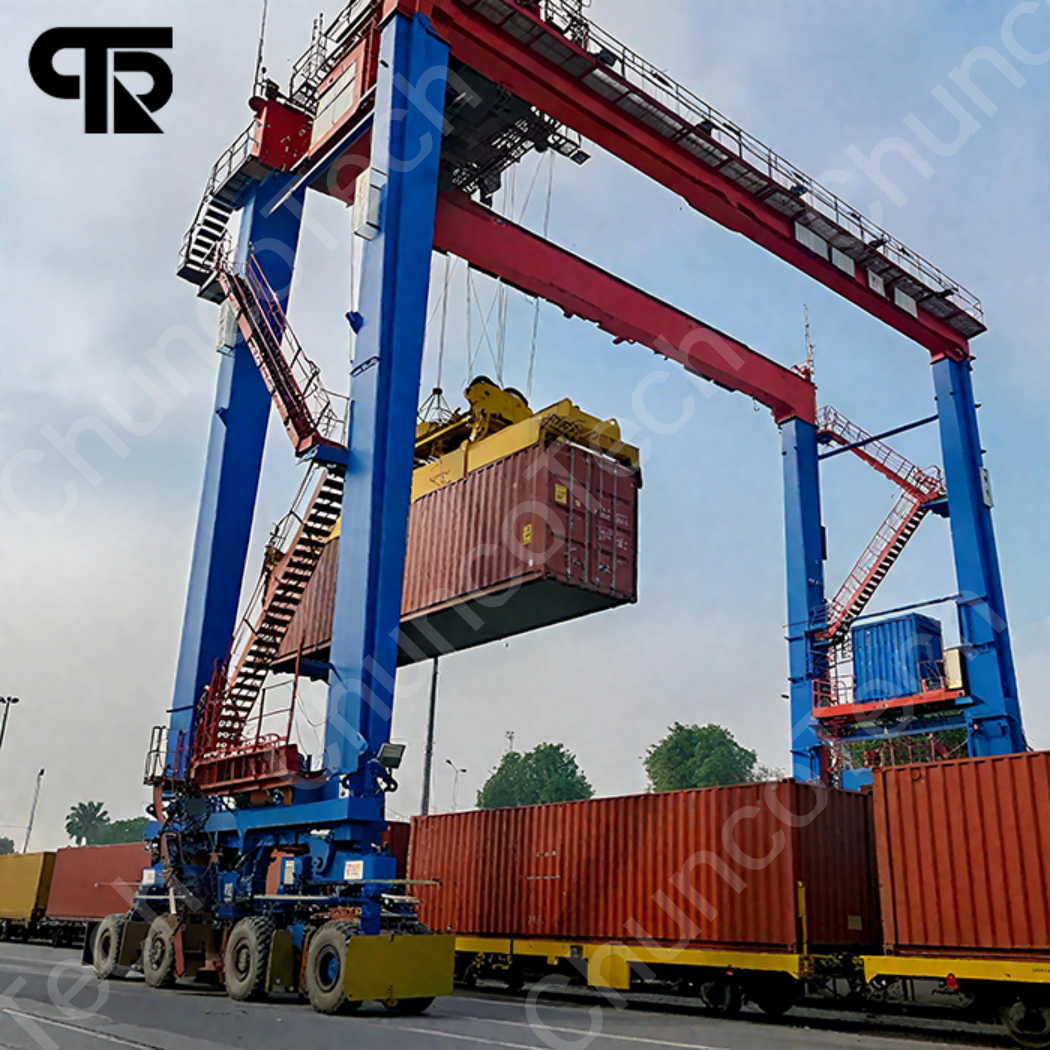 RMG Crane (Rail-Mounted Gantry Crane)