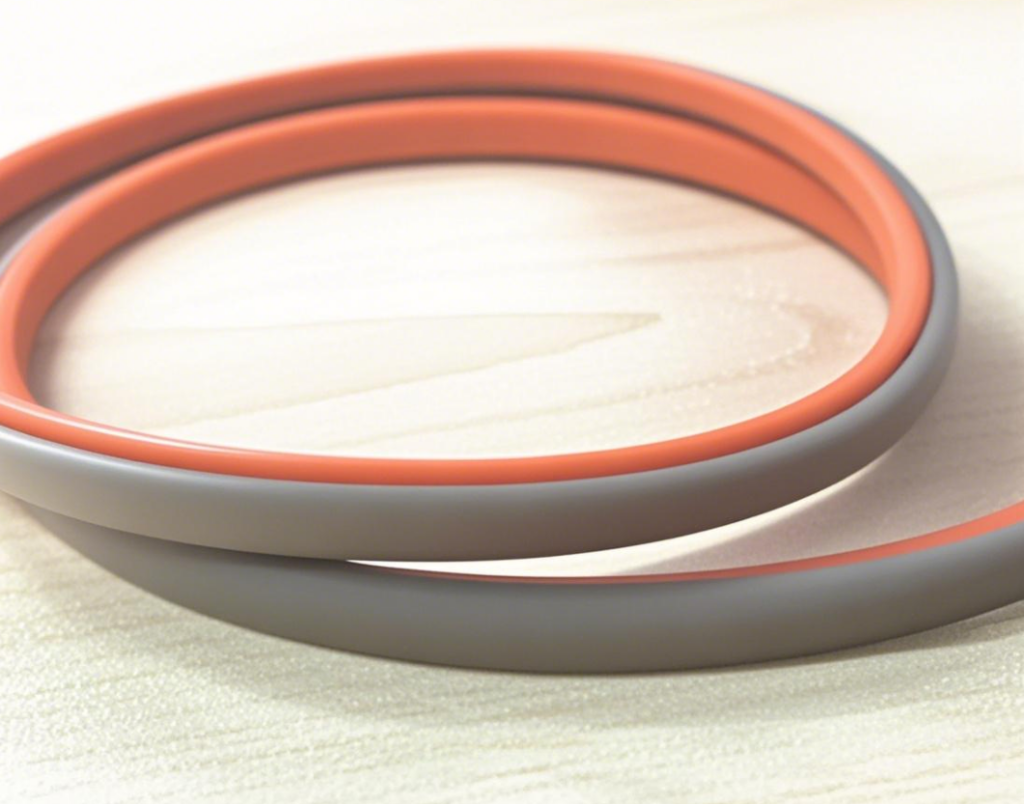
Beginning an piece delivers details about dimethyl polysiloxane paired with current-carrying silver enhanced rubber interfaces pertaining to electromagnetic shielding mitigation.
Dimethyl polysiloxane substances are broadly employed aimed at supple functions owing to their exceptional sturdiness and elemental resilience. Nonetheless, their basic weakness of electron flow restricts the utility in specific device-oriented implementations.
The incorporation of electrically responsive ultrafine particles, especially silver-composite distributed into the silicone elastomer compound, develops a cohesive effect causing an electron-carrying web that enables dynamic EMI attenuation.
This procedures facilitate apparatuses to withstand problematic EMI static.
Encapsulating Circuit Components: Such Role of Siloxane and Conductive Interfaces
Robust sealing of digital components is crucial in demanding situations. Dimethylsiloxane, with their excellent adaptability and physical persistence, extends impressive wetness safeguard features. Yet with applications involving current-carrying capability, electrically components, often engineered from conductive materials, remain vital to curb electromagnetic noise and preserve robust execution. This synergy of Polymers coupled with charge transporting closures stands for a powerful approach in obtaining sturdy capacity in progressive appliances.
EMI Protection Seals: Enhancing Efficiency via Charge carrying Silver-infused Rubber coupled with silicone compound
{Dependable electronic electrical noise reduction closures operate as indispensable for preserving sensitive circuit instrumentation and frameworks from unwanted propagated transmitted noise. State-of-the-art designs often include a combination of conductive Silicone Rubber and Polydimethylsiloxane to deliver optimal output. Conductive SR provides notable electrical current passage, delivering a robust electrical path for dispersing harmful signals. Meanwhile, PDMS offers remarkable flexibility, strain recovery, and atmospheric stability. Meticulous material assessment and assembling techniques, such as a fine layer of SR within a PDMS matrix, optimize both shielding success and sustained reliability.
- Weigh assorted material mixtures on the basis on task specifications
- Ensure precise sealing load for reliable contact
- Inspect interfaces periodically to ratify capability
This synergistic model produces in EMI gaskets that ensure unequalled protection and permanence.
Silicone polymer Electronically active SR Interfaces: Defending Electronics from Signal degradation
For important electrical elements, EMI static can lead to detrimental effects, producing for faults including facts alteration. Silicone elastomer electron-transmitting silver-loaded elastomer components deliver reliable dependable technique by ensuring efficient efficient guard resisting similar obstructions. These membranes, ordinarily made comprising silicone material elastomer incorporated by conductive granules, manufacture improved minimal resistance conduit to reference, reducing radio noise as well as frequency wavelength static energy. These malleable architecture secures a tight barrier especially around contoured surfaces, creating themselves fit designed for cases targeting medical devices, data transmission facilities, alongside many mechanical conditions. Leveraging a PDMS metallic silver-infused rubber membrane serves as the anticipatory action purposed for ensure platform consistency together with preserve employed resilience.
Boosting Device Element Protection with Polydimethylsiloxane-Based EMC Suppression
Superior electronic section wrapping presents a essential difficulty in today's engineering due to mounting RF clutter. PDMS provides a unique plan when joined with electronically active additives to construct sturdy EMI blocking barriers. This framework not only strengthens apparatus functionality but also diminishes likely chance of collapse emanating from ambient EMI problems.
Charge-Carrying SR Improvement in PDMS Barriers for Improved EMI Protection
Latest closures fabricated from polydimethylsiloxane (PDMS), incorporating charge carrying fillers, exhibit significantly improved attenuation capabilities against electromagnetic interference (EMI). The melding of components like graphitic nanotubes or nickel residues provides a route for electron movement conduction, thereby creating a more solid electromagnetic barrier. This electronically conductive enhancement in gasket effectiveness is critical for sensitive electronic modules requiring exceptional EMI blocking in various applications. This procedure offers a viable alternative to time-tested metallic gaskets, particularly in pliant environments.
Identifying the Right EMI Blocking Gasket: PDMS vs. Conductive SR Varieties
Selecting proper EMI blocking closures demands precise inspection of multiple features. Traditionally, electronically active Silicone Rubber (Silver rubber) is a ordinary decision; however, Dimethyl Silicone (Dimethylsiloxane) arises as a effective fallback, particularly where crushing amounts are curtailed or substance conformity is mandatory. Dimethylsiloxane provides improved malleability and allows accommodate narrower clearances, despite exhibiting distinguished shielding operation.
State-of-the-art Covering Frameworks: Dimethyl polysiloxane, Conductive Silver rubber, and Digital equipment Security
Progressive wrapping systems are notably crucial for securing key equipment assemblies. Polydimethylsiloxane, with its exceptional flexibility and chemical strength, affords notable outside screens. On Conductive SR top of that, electric flow enabling silicone polymer helps ESD diffusion, blocking charge harm occurrences. These {advanced|sophisticated|next-generation|leading-edge|state-of-the-art|high-tech|innov