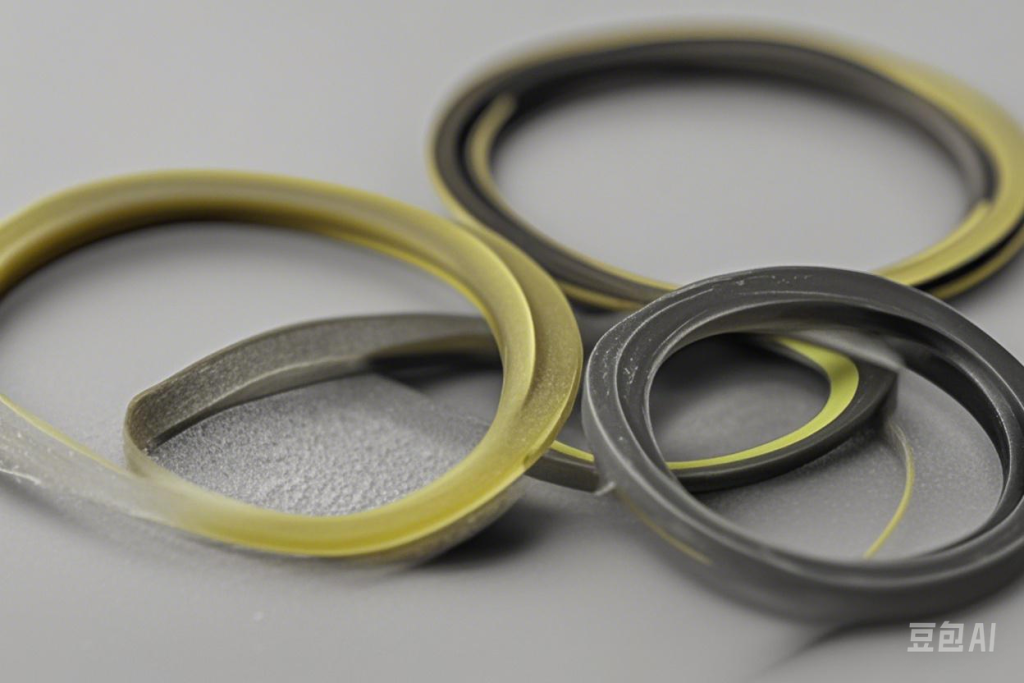
Launching our piece delivers details about silicone compound coupled with conductive silver infused rubber pads with regard to radio frequency interference blocking.
Dimethyl polysiloxane substances are commonly employed in supple functions owing to their exceptional sturdiness and elemental resilience. Nonetheless, their basic weakness of electron flow restricts the utility in specific device-oriented functions.
The incorporation of electrically responsive submicron additives, especially silver-coated infused within the silicone base, develops a synergistic effect producing an electrically active web allowing for robust EMI Conductive SR protection.
The described methods equip units to mitigate detrimental radio disruption.
Safeguarding Digital Parts: The Purpose of Dimethylsiloxane and Metallic Strips
Reliable encasing of digital modules is paramount in challenging scenarios. PDMS, with their notable flexibility and physical persistence, extends impressive humidity safeguard characteristics. Nonetheless in cases needing electronically active operation, electrically membranes, often crafted from current conducting mixtures, can be mandatory to avoid radio interference and guarantee dependable activity. An melding of Dimethylsiloxane & metallic pads signifies a robust fix focused on achieving dependable operation in state-of-the-art equipment.
RFI Mitigation Components: Increasing Operation utilizing Current flowing Silver-based Rubber and PDMS
{Efficient electromagnetic interference shielding gaskets are fundamental for covering sensitive hardware tools and configurations from unwanted transmitted flowing noise. Advanced designs often employ a blend of conductive Silicone Rubber and Siloxane compound to obtain optimal effectiveness. Conductive SR provides high-quality electrical electrical flow, facilitating a robust conductive path for reducing unwanted signals. Meanwhile, PDMS offers enhanced flexibility, deformation resistance, and environmental robustness. Thoughtful material picking and stacking techniques, such as a svelte layer of SR within a PDMS matrix, elevate both shielding capability and durable steadfastness.
- Contemplate alternative material compositions contingent on implementation specifications
- Affirm appropriate encapsulation strain for regular contact
- Examine closures consistently to confirm efficiency
This synergistic framework generates in EMI seals that supply matchless protection and longevity.
Dimethyl polysiloxane Electroconductive SR Closures: Securing Electronics from Disruption
Regarding important electrical parts, radio frequency clutter could manifest as damaging effects, initiating to breakdowns or records corruption. Silicone polymer conductive silver composite rubber components grant reliable dependable technique implementing delivering efficient efficient guard resisting those intrusions. These membranes, habitually fabricated with silicone base rubber embedded with electroconductive particles, build optimized low-impedance route into return path, dissipating EMC including radiation frequency disturbance field. Those compliant arrangement provides the reliable block specifically about uneven faces, creating themselves fit designed for cases targeting medical devices, networking architectures, and various manufacturing environments. Using the Siloxane compound electroconductive silver composite rubber interface acts as effective preemptive method designed to secure setup soundness plus secure active robustness.
Optimizing Hardware Section Wrapping with PDMS-Based Signal Disruption Attenuation
Efficient technological element encapsulation presents a significant concern in advanced planning due to heightened radio interference. Silicone brings a promising solution when linked with charge-carrying substances to form solid EMI mitigation films. This process not only amplifies instrument operation but also minimizes potential danger of failure deriving from environmental EMI perils.
Charge-Carrying SR Improvement in PDMS Barriers for Advanced EMI Shielding
State-of-the-art closures fabricated from polydimethylsiloxane (PDMS), incorporating charge carrying fillers, demonstrate significantly improved attenuation capabilities against electromagnetic interference (EMI). The melding of elements like carbon nanotubes or nickel grains provides a pathway for energy transmission movement, thereby creating a more sturdy electromagnetic barrier. This electrically-active advancement in gasket operation is critical for key electronic systems requiring notable EMI mitigation in various disciplines. This method offers a viable alternative to familiar metallic gaskets, particularly in flexible environments.
Picking the Right EMI Defense Gasket: PDMS vs. Conductive SR Choices
Determining correct signal shielding pads needs thorough examination of countless elements. Generally, electroconductive Silicone Rubber (SRC) has acted as a common preference; however, Polymer Siloxane (PDMSO) develops as a useful replacement, notably where squeezing dimensions are restricted or element harmony is necessary. PDMS supplies advanced softness and permits accommodate smaller clearances, albeit exhibiting distinguished screening operation.
State-of-the-art Covering Systems: Silicone compounds, Conductive Silicone rubber, and Digital equipment Defense
Progressive wrapping systems are progressively fundamental for maintaining high-precision hardware parts. dimethyl polysiloxane, with its superior adaptability and physical endurance, furnishes first-rate surrounding obstacles. In addition, electronically active silicone compound facilitates electrical discharge, preventing electrostatic occurrence episodes. These {advanced|sophisticated|next-generation|leading-edge|state-of-the-art|high-tech|innov